
Anúncios
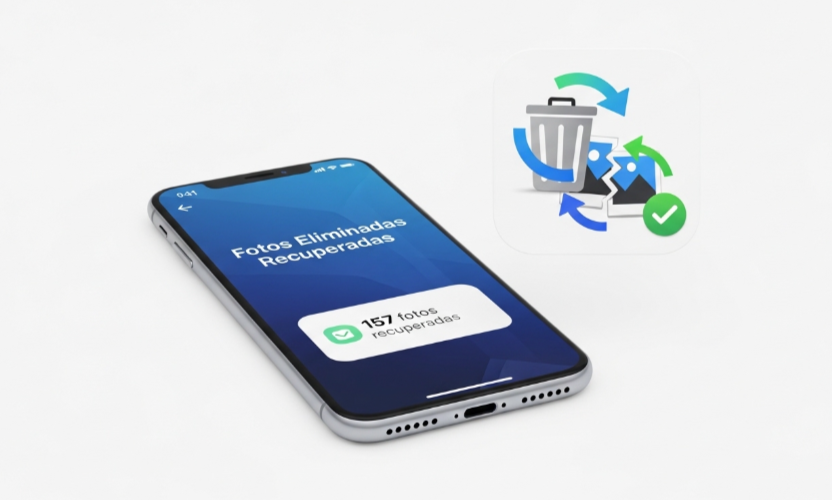
Accidentally deleting precious photos from your smartphone can feel devastating, but modern technology offers effective solutions to recover those lost memories quickly and safely.
✔ Quick device scan
We’ve all experienced that sinking feeling when we realize important photos have vanished from our phones. Whether it’s a child’s first steps, vacation snapshots, or irreplaceable family moments, losing these digital treasures can be heartbreaking.
Fortunately, specialized recovery applications have transformed what once seemed impossible into a straightforward process. Photo recovery apps work by scanning your device’s storage for traces of deleted files that haven’t been permanently overwritten.
Understanding how these tools function and which ones deliver real results can mean the difference between recovering your memories and losing them forever. Let’s explore the best options available and how to maximize your chances of successful recovery. 📱✨
Why Deleted Photos Can Actually Be Recovered
When you delete a photo from your smartphone, it doesn’t immediately disappear from existence. Instead, your device marks that storage space as available for new data, but the actual photo information often remains intact temporarily. This window of opportunity is what recovery applications exploit to bring back your lost images.
The success of photo recovery depends heavily on timing. The sooner you attempt recovery after deletion, the better your chances. Once new data overwrites the space where your deleted photos resided, recovery becomes increasingly difficult or impossible. This is why immediate action is crucial when you realize important images have been deleted.
Top Features to Look For in Photo Recovery Apps 🔍
Not all recovery applications are created equal. The most effective tools share several key characteristics that set them apart from basic utilities or ineffective solutions.
- Deep scanning technology: Advanced algorithms that can detect file fragments and reconstruct complete images
- Preview functionality: The ability to view recoverable photos before restoration begins
- Multiple file format support: Compatibility with JPG, PNG, RAW, HEIC, and other common image formats
- User-friendly interface: Simple navigation that doesn’t require technical expertise
- Selective recovery: Options to choose specific photos rather than restoring everything
- Safe operation: No risk of further data loss during the scanning process
How Photo Recovery Applications Actually Work
Understanding the technical process behind photo recovery helps you use these tools more effectively. When you delete an image, your phone’s file system removes the pointer to that file but leaves the actual data temporarily intact on the storage medium.
Recovery apps perform thorough scans of your device’s memory, searching for these “orphaned” file signatures. They analyze storage sectors that the operating system considers empty, looking for recognizable patterns that indicate image data. When found, the app attempts to reconstruct the complete file and restore it to an accessible location.
The Role of Storage Technology in Recovery Success
Modern smartphones use different storage technologies, which affect recovery possibilities. Flash memory devices, including most phones, handle deleted data differently than traditional hard drives. Some Android devices with SD card support offer higher recovery success rates because external storage doesn’t use the same aggressive space management as internal memory.
iOS devices present unique challenges due to their encrypted storage and closed ecosystem. However, specialized apps designed for iPhone users can still achieve impressive recovery results by working within Apple’s security framework while accessing recoverable data.
Step-by-Step Guide to Recovering Your Deleted Photos 📸
Follow these practical steps to maximize your chances of successfully retrieving lost images from your mobile device.
Immediate Actions After Accidental Deletion
Stop using your phone immediately. This is the single most important step. Every app you open, photo you take, or message you send increases the risk of overwriting your deleted photos. Put your device in airplane mode if possible to prevent background data operations.
Download a reputable photo recovery application as soon as possible. Choose one with verified reviews and a proven track record. The apps connected to the official store links provided earlier in this article offer reliable performance and security.
Installing and Running the Recovery App
Once you’ve downloaded your chosen recovery tool, grant it the necessary permissions to access your device’s storage. These permissions are essential for the app to scan for deleted files. Reputable applications will explain exactly why each permission is needed.
Launch the scan function and allow the app to complete its analysis. Depending on your storage capacity and how much data needs to be examined, this process might take anywhere from a few minutes to over an hour. Patience during this stage is crucial for thorough results.
Reviewing and Selecting Photos for Recovery
After the scan completes, you’ll typically see a list of recoverable images. Quality apps provide preview thumbnails so you can identify which photos you actually want to restore. This feature saves time and storage space by avoiding unnecessary file recovery.
Sort through the results carefully. Some recovered files may be partially corrupted or from long ago. Select only the images that matter to you, then initiate the recovery process. The app will restore these files to a designated folder on your device or cloud storage.
Common Scenarios Where Photo Recovery Apps Save the Day 🦸
Understanding typical deletion situations helps you respond appropriately when disaster strikes.
| Scenario | Recovery Likelihood | Key Considerations |
|---|---|---|
| Recently deleted from gallery | Very High | Act within hours for best results |
| Formatted SD card | High | Don’t write new data to the card |
| Factory reset without backup | Low to Medium | Requires immediate professional tools |
| Deleted from messaging apps | Medium | Check app-specific recovery options first |
| Lost during phone transfer | Medium to High | Check both devices and cloud services |
Maximizing Recovery Success: Pro Tips and Tricks 💡
Experienced users employ several strategies to improve their recovery outcomes beyond basic app usage.
Enable Automatic Backups Before Disaster Strikes
The absolute best recovery tool is prevention. Configure your smartphone to automatically back up photos to cloud services like Google Photos, iCloud, OneDrive, or Dropbox. This creates a safety net that makes recovery apps unnecessary in most situations.
Set up these backups to run on Wi-Fi during nighttime hours so they don’t consume mobile data or interfere with daily phone use. Most modern devices offer this functionality built into their operating systems.
Understanding Recovery Limitations
Not every deleted photo can be recovered, regardless of which app you use. Photos deleted weeks or months ago have likely been overwritten, especially on devices with limited storage that regularly run near capacity. Heavily used phones cycle through storage space more quickly, reducing long-term recovery possibilities.
Physical damage to your device’s storage chips can also prevent recovery. If your phone has been dropped, water-damaged, or otherwise physically compromised, software solutions may prove insufficient. In such cases, professional data recovery services represent your best option.
Comparing Free vs. Premium Recovery Solutions
Many photo recovery applications offer both free and paid versions, creating questions about which option suits your needs best.
Free versions typically allow you to scan for deleted photos and preview what’s recoverable, but limit how many files you can actually restore without purchasing. This approach lets you verify the app works before spending money, which is actually quite consumer-friendly.
Premium versions remove these limitations and often include additional features like priority customer support, advanced recovery algorithms, and the ability to recover other file types beyond just photos. For one-time emergencies, free versions often suffice. For users who frequently need recovery tools or want comprehensive protection, premium subscriptions offer better value.
Avoiding Scam Applications and Malware 🛡️
The photo recovery category unfortunately attracts malicious apps that prey on desperate users. Always download recovery tools from official app stores rather than third-party websites. Read recent reviews carefully, paying attention to comments about actual recovery success rather than just star ratings.
Legitimate recovery apps will never ask for unnecessary permissions unrelated to storage access. Be suspicious of tools requesting contact lists, call logs, or other sensitive data that has nothing to do with photo recovery. Stick with established applications that have thousands of verified downloads and transparent privacy policies.
Special Considerations for iPhone Users 🍎
Apple’s iOS ecosystem presents unique challenges and opportunities for photo recovery. The Photos app includes a “Recently Deleted” album that retains deleted images for 30 days, providing a built-in recovery option many users overlook.
Check this album first before trying third-party recovery apps. Open Photos, tap Albums at the bottom, scroll down to Utilities, and select Recently Deleted. If your photos appear here, simply select them and tap Recover.
For photos deleted beyond the 30-day window, iOS recovery apps work differently than Android versions due to Apple’s security restrictions. These apps often require connecting your iPhone to a computer running recovery software rather than functioning entirely on the device itself. The App Store links provided earlier offer compatible solutions that work within these constraints.
Android-Specific Recovery Strategies 🤖
Android’s open ecosystem provides more flexibility for recovery applications, though this varies by manufacturer and Android version. Many Android phones include a trash or recycle bin feature in their gallery apps, similar to iPhone’s Recently Deleted album.
Samsung, Google Pixel, and other major brands typically hold deleted photos for 15-30 days in these temporary folders. Always check your gallery’s trash function before proceeding with third-party recovery tools.
Leveraging SD Card Advantages
Android devices with microSD card slots offer a significant recovery advantage. If your deleted photos were stored on the SD card rather than internal memory, you can remove the card and scan it using computer-based recovery software for potentially better results.
This approach bypasses phone limitations and reduces the risk of overwriting deleted files since you’re not actively using the storage medium during recovery attempts. Computer programs often provide more powerful scanning algorithms than mobile apps.
What To Do When Recovery Apps Don’t Work
Sometimes even the best recovery applications can’t retrieve your deleted photos. When this happens, several alternative approaches might still save your memories.
Check all connected cloud services thoroughly. Photos sometimes sync to multiple locations without obvious user awareness. Look beyond your primary cloud storage to check social media apps, messaging platforms, email attachments, and any photo editing apps you’ve used.
Contact professional data recovery services if the photos are truly irreplaceable. These specialists use industrial-grade equipment and techniques unavailable to consumer apps. While expensive, they can sometimes recover data from seemingly hopeless situations, including physically damaged devices.
Building a Foolproof Backup Strategy Going Forward 🔄
Experiencing photo loss once should motivate you to prevent future occurrences. Implement a multi-layered backup approach that doesn’t rely on any single solution.
Use the 3-2-1 backup rule: maintain three copies of your photos, on two different types of media, with one copy stored off-site. For smartphone photos, this might mean the originals on your phone, automatic cloud backup, and periodic transfers to a computer or external hard drive.
Enable automatic cloud synchronization on your device settings. Both Google Photos and iCloud offer generous free storage tiers, with affordable paid plans for users with extensive photo libraries. Configure these services to backup over Wi-Fi automatically, ensuring you never have to remember to manually save your photos.
Understanding Recovery Success Rates and Realistic Expectations
Setting appropriate expectations prevents disappointment when using recovery applications. No tool can guarantee 100% recovery in all situations, regardless of marketing claims.
Photos deleted within 24 hours have recovery success rates typically exceeding 70% when using quality apps and proper techniques. This percentage drops significantly as time passes and normal phone usage continues. Photos deleted weeks ago face recovery odds below 30% in most real-world scenarios.
The storage capacity and usage patterns of your device dramatically affect these statistics. Phones with ample free storage space retain deleted file data much longer than devices constantly running near capacity. Heavy users who take many photos and install numerous apps overwrite deleted data more quickly.
Privacy and Security Considerations When Using Recovery Apps 🔐
Granting storage access to recovery applications raises legitimate privacy concerns. These apps can potentially access all photos on your device, including sensitive personal images.
Choose recovery tools from reputable developers with clear privacy policies that explicitly state they don’t upload, store, or transmit your photos to external servers. The recovery process should occur entirely on your device, with recovered files saved locally rather than to cloud servers controlled by the app developer.
After successfully recovering your photos, consider uninstalling the recovery app and revoking its permissions if you don’t anticipate needing it again soon. This minimizes your privacy exposure while keeping the option available for future emergencies.
The Future of Photo Recovery Technology
Advances in artificial intelligence and machine learning are improving photo recovery capabilities significantly. Modern recovery algorithms can now reconstruct partially corrupted images, enhance recovered photos that have degraded, and even predict file locations more accurately.
Cloud integration is becoming seamless, with recovery apps that can scan multiple cloud services simultaneously to locate copies of deleted photos you didn’t even remember uploading. This expanded search capability increases overall recovery success rates.
Future smartphone operating systems will likely include more robust built-in recovery features, reducing dependence on third-party apps. However, specialized recovery tools will remain valuable for complex situations and older devices without these advanced capabilities.

Taking Action: Your Next Steps for Photo Recovery Success 🎯
If you’re currently dealing with deleted photos, time is your enemy. Download a trusted recovery application immediately using the official store links provided earlier in this article. Stop using your phone for anything non-essential to prevent overwriting the deleted data.
For those reading this proactively, establish your backup systems today before disaster strikes. Configure automatic cloud backups, understand your device’s built-in recovery features, and bookmark reliable recovery apps so you know exactly where to turn if needed.
Remember that photo recovery success depends on quick action, using quality tools, and understanding your device’s specific capabilities and limitations. While no solution guarantees perfect results in every situation, modern recovery applications have saved countless precious memories that seemed lost forever.
The emotional value of preserved memories far exceeds the minimal effort required to protect them properly. Whether you’re recovering photos right now or preventing future loss, taking these steps ensures your digital treasures remain safe and accessible for years to come. Your future self will thank you for the precautions you implement today.
