
Anúncios
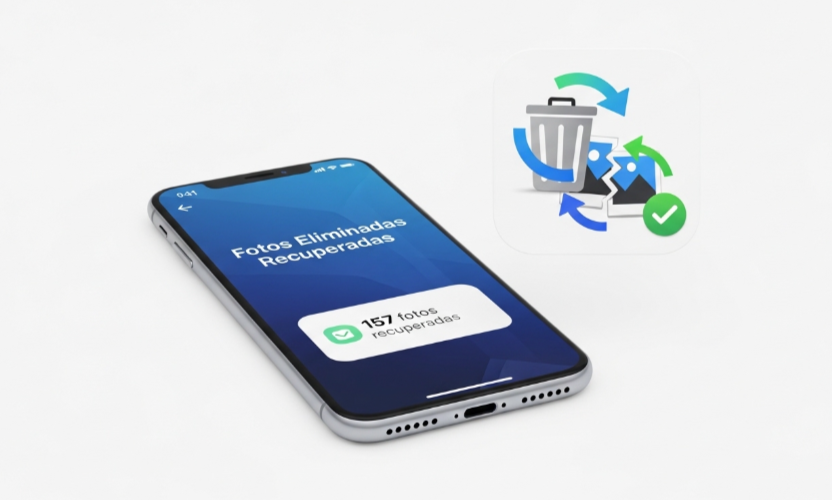
Accidentally deleting precious photos from your phone can feel like a punch to the gut, but the good news is that recovery is often possible with the right tools.


We’ve all been there—frantically scrolling through our gallery, realizing that beautiful sunset photo or that irreplaceable family moment has vanished. Whether it was a slip of the thumb, a factory reset, or a mischievous app clearing your cache, losing photos feels devastating in our memory-driven digital age.
Fortunately, modern technology offers powerful solutions specifically designed to retrieve those seemingly lost memories. Photo recovery apps have evolved dramatically, offering sophisticated scanning algorithms that can dig deep into your device’s storage to find traces of deleted images. Let’s explore how these applications work and which ones deliver the best results.
📱 Why Deleted Photos Can Actually Be Recovered
When you delete a photo from your smartphone, it doesn’t immediately disappear into the digital void. Instead, the device simply marks that storage space as available for new data. Until something overwrites that particular section of memory, the original photo data remains intact, just hidden from view.
This is the fundamental principle behind all photo recovery applications. They scan your device’s storage for these “marked for deletion” files and attempt to reconstruct them before they’re permanently overwritten. The success rate depends heavily on how much time has passed since deletion and how actively you’ve used your phone afterward.
Think of it like throwing a document in a recycling bin—it’s still there until someone empties the bin and replaces it with new trash. Similarly, your deleted photos linger in smartphone storage, waiting to be either recovered or replaced by new files.
🔍 How Photo Recovery Apps Actually Work
Photo recovery applications employ several sophisticated techniques to locate and restore deleted images. Understanding these methods helps you choose the right app and use it effectively.
Most recovery apps use deep scanning algorithms that examine every sector of your device’s internal storage and SD card. They search for file signatures—unique patterns of data that identify image files like JPEG, PNG, or HEIC formats. When these signatures are found, the app attempts to reconstruct the complete file.
Some advanced applications also access thumbnail caches and temporary folders where your operating system stores compressed versions of images. Even if the original full-resolution photo is gone, these thumbnail versions might survive and provide at least a lower-quality copy of your memory.
Cloud synchronization plays another crucial role. Many recovery apps check whether deleted photos were previously backed up to services like Google Photos, iCloud, or Dropbox, potentially retrieving them from there instead of local storage.
⭐ Top Features to Look For in Recovery Applications
Not all photo recovery apps are created equal. When selecting one for your needs, prioritize these essential features:
- Deep scan capability: The app should offer comprehensive scanning beyond surface-level deleted files
- Preview functionality: Being able to see thumbnails before recovery helps you select only the photos you actually want
- Multiple file format support: Look for apps that handle JPEG, PNG, GIF, RAW, and video formats
- No root requirement: The best apps work without requiring root access on Android or jailbreaking on iOS
- Selective recovery: Choose specific photos rather than restoring everything at once
- Storage location flexibility: Ability to scan both internal memory and external SD cards
- User-friendly interface: Recovery shouldn’t require a computer science degree
Additionally, consider whether the app offers cloud backup integration, which can significantly improve recovery success rates for photos that were previously synced online.
🛡️ Immediate Steps After Accidentally Deleting Photos
The moment you realize you’ve deleted important photos, your actions in the next few minutes can dramatically impact your recovery chances. Time is absolutely critical in this situation.
First and foremost, stop using your phone immediately—or at least minimize usage as much as possible. Every new photo you take, every app you download, and every message you receive could potentially overwrite the storage space where your deleted photos reside.
If possible, enable airplane mode to prevent automatic app updates, cloud syncs, and background processes that write data to storage. This simple step can preserve your deleted photos until you can run a recovery application.
Next, check your phone’s built-in recovery options. Both Android and iOS devices have recently deleted folders where photos remain for 30-60 days before permanent deletion. On Android, check the “Trash” or “Bin” folder in your Gallery app. On iPhone, look in the “Recently Deleted” album within the Photos app.
If your photos aren’t there, don’t panic. Download a reputable photo recovery app immediately and begin the scanning process. The sooner you act, the better your chances of complete recovery.
💾 Understanding Android vs iOS Recovery Differences
The recovery process differs significantly between Android and iOS devices due to their fundamentally different architectures and security models.
Android devices generally offer easier and more comprehensive recovery options. The operating system’s more open structure allows recovery apps deeper access to storage systems. Many Android phones also support SD cards, which can be removed and scanned separately using computer-based recovery software for even better results.
iOS devices, conversely, operate within Apple’s tightly controlled ecosystem. The security sandbox makes it challenging for third-party apps to access deleted file data directly. However, iOS recovery apps leverage iCloud backups, iTunes backups, and iOS-specific caches to retrieve deleted photos.
For iPhone users, successful recovery often depends on whether you had iCloud Photo Library enabled or created recent iTunes/Finder backups. Android users have more diverse recovery pathways, though root access can significantly improve success rates for advanced recovery scenarios.
🚀 Step-by-Step Recovery Process Explained
Recovering your deleted photos doesn’t require technical expertise when you follow a structured approach. Here’s exactly how to proceed:
Step 1: Install the Recovery App
Download a trusted photo recovery application from the official app store. Avoid third-party sources that might contain malware disguised as recovery tools.
Step 2: Grant Necessary Permissions
The app will request access to your storage and photos. These permissions are essential for the scanning process to work properly.
Step 3: Choose Scan Type
Most apps offer quick scan and deep scan options. Start with a quick scan for recently deleted photos. If that doesn’t find what you need, proceed to the more thorough deep scan.
Step 4: Wait for Scan Completion
Depending on your storage size, scanning might take anywhere from a few minutes to over an hour. Don’t interrupt this process.
Step 5: Preview Found Photos
Browse through the recovered files using the preview function. This helps you identify exactly which photos you want to restore.
Step 6: Select and Recover
Choose the photos you want to retrieve and select a safe location to save them—preferably cloud storage or a computer to avoid overwriting other recoverable data.
Step 7: Backup Immediately
Once recovered, immediately back up these photos to multiple locations to prevent future loss.
☁️ The Critical Role of Cloud Backups in Prevention
While recovery apps are lifesavers, the best strategy is preventing permanent photo loss in the first place through automatic cloud backups.
Services like Google Photos offer unlimited storage for compressed images, automatically uploading every photo you take. Apple’s iCloud Photos provides similar functionality for iOS users. These services create a safety net where “deleted” photos often remain recoverable for extended periods.
Even if you delete a photo from your device and its local trash folder, it typically remains in your cloud service’s trash for an additional 30-60 days. This double layer of protection dramatically increases your recovery window.
Setting up automatic cloud backups takes just a few minutes but can save countless hours of stress and potential permanent loss of irreplaceable memories. Configure your preferred service to back up photos automatically when connected to Wi-Fi, ensuring every image is protected without requiring manual intervention.
⚠️ Common Mistakes That Reduce Recovery Success
Many people inadvertently sabotage their own recovery efforts through simple mistakes. Avoiding these pitfalls significantly improves your chances:
- Continuing to use the phone normally: Each action potentially overwrites deleted photo data
- Installing multiple recovery apps: This fills storage and may overwrite the very files you’re trying to recover
- Factory resetting the device: This dramatically reduces recovery possibilities
- Waiting too long: The longer you wait, the more likely storage space gets overwritten
- Saving recovered photos to the same device: This can overwrite other recoverable data
- Ignoring built-in recovery options: Always check Recently Deleted folders first
- Using untrusted apps: Some fake recovery apps are actually malware
Being aware of these pitfalls helps you make smarter decisions during the critical recovery window.
📊 Recovery Success Rates: What to Realistically Expect
Understanding realistic recovery expectations helps manage disappointment and guide your efforts appropriately.
| Time Since Deletion | Expected Success Rate | Notes |
|---|---|---|
| Within 24 hours | 70-90% | Highest chance if phone usage was minimal |
| 1-7 days | 40-70% | Success depends on storage activity |
| 1-4 weeks | 20-50% | Partial recovery more likely |
| Over 1 month | 10-30% | Significant portions likely overwritten |
| After factory reset | 5-15% | Requires professional tools |
These percentages vary significantly based on device type, storage capacity, and usage patterns. Devices with larger storage capacities generally have higher recovery rates since there’s more unused space where deleted files can survive longer.
🔐 Privacy and Security Considerations
When using photo recovery applications, be mindful of privacy implications. These apps require extensive storage permissions, giving them access to potentially sensitive data.
Always download recovery apps from official sources like Google Play Store or Apple App Store. Read privacy policies to understand what happens to your recovered photos—reputable apps process everything locally without uploading your images to external servers.
Be particularly cautious of apps that require internet connectivity for recovery operations. Legitimate recovery apps can scan and restore photos entirely offline, as this process doesn’t need online access. Apps demanding internet connection might be uploading your photos elsewhere.
After successfully recovering your photos, consider uninstalling the recovery app and revoking its storage permissions to minimize ongoing privacy exposure.
💡 Advanced Recovery Techniques for Stubborn Cases
When standard mobile recovery apps fail, several advanced techniques might still salvage your photos.
For Android users with technical comfort, connecting your phone to a computer and using desktop recovery software like Recuva, PhotoRec, or Dr.Fone provides more powerful scanning capabilities. These applications can perform deeper analysis than mobile-only solutions.
If you have an SD card, removing it and scanning it separately using a card reader often yields better results. Computer-based tools can perform sector-by-sector analysis that mobile apps cannot match.
For both Android and iOS, professional data recovery services represent the ultimate option for critically important photos. These services use specialized hardware and software to access storage at levels impossible for consumer applications, though they can be expensive.
Some smartphones also maintain hidden system caches and thumbnail databases that might preserve low-resolution versions of deleted photos even after the originals are gone. Advanced recovery apps know how to access these alternative sources.
🎯 Choosing the Right Recovery App for Your Situation
Different recovery scenarios call for different application approaches. Matching your specific situation to the right tool maximizes success.
For recently deleted photos (within 24-48 hours), almost any reputable recovery app will work well. Focus on user-friendly options with good preview capabilities so you can quickly identify and restore what you need.
For older deletions or complex scenarios like factory resets, choose apps specifically advertising deep scan and advanced recovery features. These typically take longer but probe more thoroughly.
If you’re dealing with corrupted SD cards or physical damage, look for apps that specifically mention hardware failure recovery or consider professional services instead.
For cloud-connected photos, apps that integrate with your backup services (Google Photos, iCloud, Dropbox) offer additional recovery pathways beyond just local storage scanning.
📱 Maintaining Photo Safety Going Forward
Once you’ve successfully recovered your photos—or even if you haven’t—implementing robust backup strategies prevents future heartbreak.
The 3-2-1 backup rule applies perfectly to photos: maintain three copies of your images, on two different types of media, with one copy stored offsite. For photos, this might mean keeping originals on your phone, a backup on your computer, and another in cloud storage.
Enable automatic cloud backups on your smartphone. Both Google Photos and iCloud offer generous free tiers, with affordable paid options for unlimited storage. Configure these to upload automatically over Wi-Fi.
Regularly transfer photos to your computer or external hard drive. This creates a local backup independent of your phone and cloud services, protecting against account issues or service outages.
Consider using dedicated photo backup apps that support multiple cloud services simultaneously, spreading your safety net even wider.
✨ The Emotional Value of Photo Recovery
Beyond the technical aspects, photo recovery touches something deeply human—our need to preserve memories and connections to important moments.
That accidentally deleted photo might be the last image of a beloved grandparent, your child’s first steps, or a once-in-a-lifetime travel experience. These aren’t just digital files; they’re gateways to cherished memories that help define our personal narratives.
This emotional dimension explains why photo recovery apps have become essential smartphone tools. They’re not just recovering data—they’re rescuing pieces of our lives from digital oblivion.
The relief people feel when successfully recovering a treasured photo transcends the technical achievement. It’s about reclaiming a piece of ourselves, a memory we feared was lost forever.
🔄 When Recovery Isn’t Possible: Moving Forward
Despite your best efforts, some photos may be permanently unrecoverable. While disappointing, accepting this reality is important for moving forward.
If critical photos can’t be recovered, check with friends and family who might have copies. That group photo you deleted might exist on someone else’s phone. Social media platforms also retain copies of images you’ve shared.
Use the experience as motivation to implement better backup strategies going forward. Every lost photo is a lesson in the importance of redundant storage and proactive preservation.
Remember that while photos are valuable memory aids, the actual experiences they captured remain with you. The sunset you photographed may be gone from your gallery, but the feeling of watching it remains in your memory.
Technology will continue evolving, offering even better recovery tools and preventative measures. Staying informed about these developments helps protect your digital memories more effectively.
🌟 The Future of Photo Recovery Technology
Photo recovery technology continues advancing rapidly, with artificial intelligence and machine learning enhancing capabilities significantly.
Modern recovery apps increasingly use AI to better identify and reconstruct fragmented image files, even when significant portions have been overwritten. These algorithms can sometimes recreate damaged or partially deleted photos more completely than traditional methods.
Cloud integration is becoming more sophisticated, with recovery apps seamlessly checking multiple backup sources simultaneously and presenting you with all available versions of deleted photos.
Future smartphones may include specialized recovery partitions—protected storage areas that automatically preserve recently deleted files for extended periods, making accidental deletion less catastrophic.
As storage technology evolves, with solid-state drives and new memory architectures, recovery techniques will adapt accordingly, potentially making deleted data easier or harder to retrieve depending on the specific technologies involved.
Regardless of technological advances, the fundamental principle remains: the sooner you act after deletion, the better your recovery chances. Keep this in mind, maintain good backup habits, and you’ll minimize the stress of lost photos while maximizing your ability to recover them when accidents happen.
